


In the fast-evolving field of orthopedic care, external fixators have emerged as game-changers—especially within minimally invasive surgery (MIS). Known for stabilizing bone fractures externally, these devices are now prized for reducing tissue trauma and speeding up healing time.
With the rise in outpatient surgeries and demand for faster recovery, external fixators provide a lightweight, efficient, and cost-effective solution. This article explores their growing role in trauma care and MIS, highlighting innovations that are shaping patient outcomes worldwide.
1. What Are External Fixators and How Do They Work?
External fixators are medical devices attached outside the body to hold fractured bones in place using pins inserted into the bone through small incisions. Unlike internal hardware, they don’t require large surgical openings or significant muscle displacement.
This feature makes external fixators for minimally invasive surgery ideal, allowing surgeons to stabilize bones with precision and minimal soft tissue damage.
2. How External Fixators Support Minimally Invasive Surgery
Minimally invasive techniques aim to reduce surgical wounds, blood loss, and post-op pain. External fixators align with this mission by:
- Using small percutaneous pin sites instead of long incisions
- Allowing surgeons to avoid disturbing key muscle groups
- Reducing surgery time significantly
Their lightweight nature and modular designs also simplify use in outpatient and rural settings.
3. Reducing Trauma During and After Surgery
Compared to internal plating, external fixation in trauma care results in:
- Lower risk of infection
- Less disruption of blood supply
- Minimal scarring and inflammation
Patients with high-risk profiles—such as diabetics or the elderly—especially benefit from these lower-impact surgical interventions.
4. Faster Recovery and Better Mobility
Healing faster isn’t just about time—it’s about function. External fixators enable early weight-bearing, especially in lower limb fractures. Patients can regain movement sooner and avoid complications like:
- Joint stiffness
- Muscle atrophy
- Bedsores
When combined with physical therapy, recovery time can drop by 20-30%, depending on injury type and patient age.
5. Smart and 3D-Printed Fixators: The Future of Personalized Recovery
Smart external fixators are transforming care by incorporating:
- AI sensors for tracking bone healing progress
- IoT features that share data with remote providers
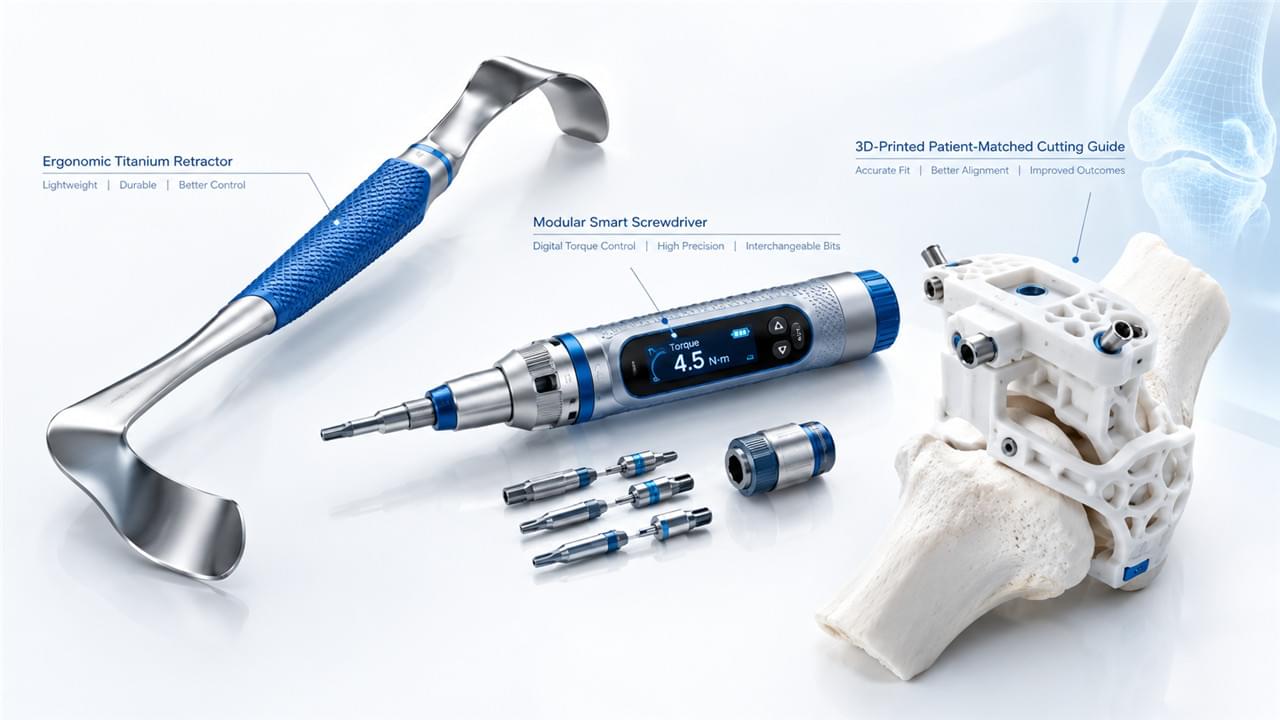
- 3D printing to fit patient anatomy precisely
This blend of innovation offers unprecedented personalization in orthopedic care and allows remote monitoring in under-resourced areas.
6. Enhanced Safety with Biocompatible Materials
New-generation external fixators are made from biocompatible materials like titanium and carbon composites. These materials:
- Lower the risk of allergic reactions
- Resist corrosion and infection
- Are more comfortable for long-term use
Such improvements make fixators safer for children, the elderly, and patients with compromised immunity.
7. Lower Costs and Higher Flexibility for Hospitals
For clinics and hospitals, external fixators offer major logistical benefits:
- Available in small MOQs (Minimum Order Quantities)
- Compliant with CE and ISO standards
- Easy to store and deploy quickly
They’re especially valuable for facilities in rural settings or with budget constraints.
Use Cases: From Trauma Centers to Ambulatory Surgery Centers (ASCs)
ASCs increasingly rely on external fixators due to:
- Short procedure times
- Reduced patient monitoring needs
- Streamlined discharge planning
They’re ideal in emergency trauma, battlefield conditions, and even sports injury management.
Best Practices for Using External Fixators
To ensure the best outcomes:
- Keep pin sites clean and dry
- Educate patients on hygiene and warning signs
- Use digital monitoring when available
- Schedule follow-ups to adjust alignment if needed
These steps enhance healing while minimizing complications.
External Fixators Are Driving the Future of Recovery
From emergency trauma care to precision outpatient procedures, external fixators are reshaping orthopedic surgery. Their ability to minimize trauma, speed up recovery, and integrate with smart technologies makes them a vital tool in modern healthcare.
As orthopedic practices move toward innovation and patient-centered care, embracing external fixation is not just an option—it’s a competitive advantage.
Want to see how advanced external fixators can transform your surgical practice?
👉 Visit Orthopdevices.com to explore CE-certified, ISO-approved solutions today.
 English
 Arabic
 French
 German
 Italian
 Japanese
 Korean
 Portuguese
 Turkish
 Russian
 Spanish