


The choice between reusable and disposable orthopedic instruments is one of the most commercially and clinically significant decisions in surgical supply chain management. Both approaches have compelling advantages — and meaningful disadvantages. Understanding the full cost-benefit analysis is essential for hospital procurement, OR management, and medical device manufacturers.
Spoiler: there’s no universal winner. But there is a right answer for your case mix, your CSSD capacity, and your budget. Let’s break it down.
This article is part of: Orthopedic Instrument Sets.
🔁 The Case for Reusable Instruments
Reusable instruments have been the standard in orthopedic surgery for decades. Their advantages include:
Lower Per-Use Cost
The per-use cost of a reusable instrument — amortized across 500–1,500 sterilization cycles — is significantly lower than the equivalent single-use cost, for instruments with long useful lives.
Example calculation:
- Reusable retractor: USD 150 capital cost, 1,000-cycle life = USD 0.15 per use
- Equivalent single-use retractor: USD 8–15 per use
- CSSD processing: USD 1–3 per instrument per cycle
- Reusable total cost per use: ~USD 1.15–3.15 vs. single-use USD 8–15
For high-volume instruments used in every case, reusable instruments are consistently more cost-effective. The math isn’t close.
Proven Performance
Precision-machined stainless steel reusable instruments provide consistent performance across their service life when properly maintained. High-tolerance fitting surfaces (broaches, cutting guides) require the durability that only metal manufacturing can provide.
🗑️ The Case for Disposable Orthopedic Instruments
Infection Control: The Strongest Argument for Disposable Orthopedic Instruments
Disposable orthopedic instruments eliminate the possibility of cross-contamination from inadequate sterilization — a theoretical risk that has driven regulatory and hospital policy interest in single use surgical instruments:
- No biofilm accumulation over time
- No risk of sterilization process failure
- Particularly compelling for immunocompromised patients, prion disease precautions, and minimally invasive approaches
The WHO’s guidelines on infection prevention in healthcare settings provide context for infection risk assessment.
And regulators treat the reuse question seriously: the FDA’s guidance on reprocessing single-use medical devices requires that any facility reprocessing SUDs meet the same regulatory bar as the original manufacturer — with validated cleaning, sterilization, and functional performance data.
Logistical Simplification
Disposable instruments eliminate CSSD processing for replaced items:
- No cleaning, inspection, packing, sterilization
- Reduced CSSD labor and turnaround time
- Particularly valuable in ASC settings with limited CSSD capacity
Always Sharp, Always Functional
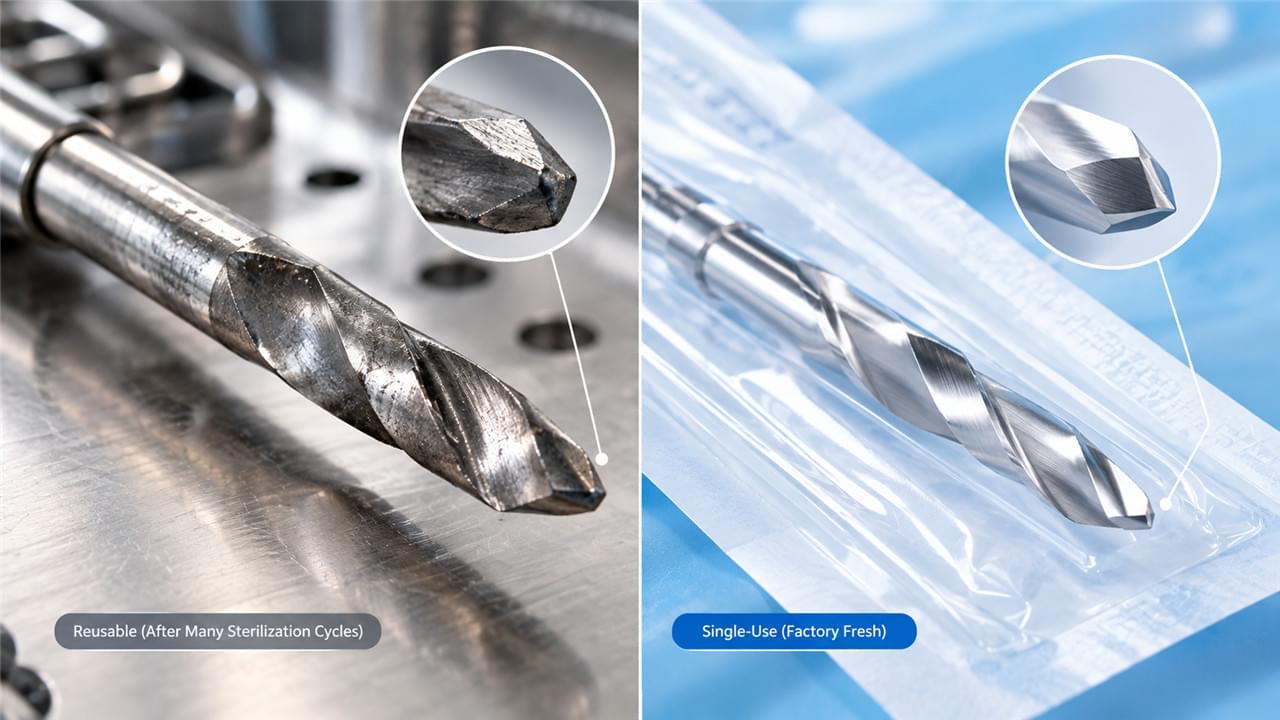
Disposable cutting instruments (drill bits, saw blades, K-wires) are guaranteed sharp for every case. Reusable equivalents degrade over use and require replacement monitoring. There’s a quiet confidence that comes from opening a fresh blade every time.
🌱 Environmental Impact: The Sustainability Question
This is increasingly important in hospital procurement decisions:
Reusable instruments: Lower lifetime waste generation if properly maintained; higher energy/water use per sterilization cycle.
Disposable instruments: Generate significant medical waste; packaging waste; may include non-recyclable plastics and mixed-material assemblies.
Life cycle assessment (LCA) studies show mixed results — some analyses favor reusables on environmental impact, others favor specific single-use designs when CSSD energy and water consumption is factored in. Any honest orthopedic instrument sustainability assessment has to count both sides of the ledger: the waste bin and the washer-deinfector’s water meter.
📈 Current Market Trends
The disposable orthopedic instruments market is growing — driven by:
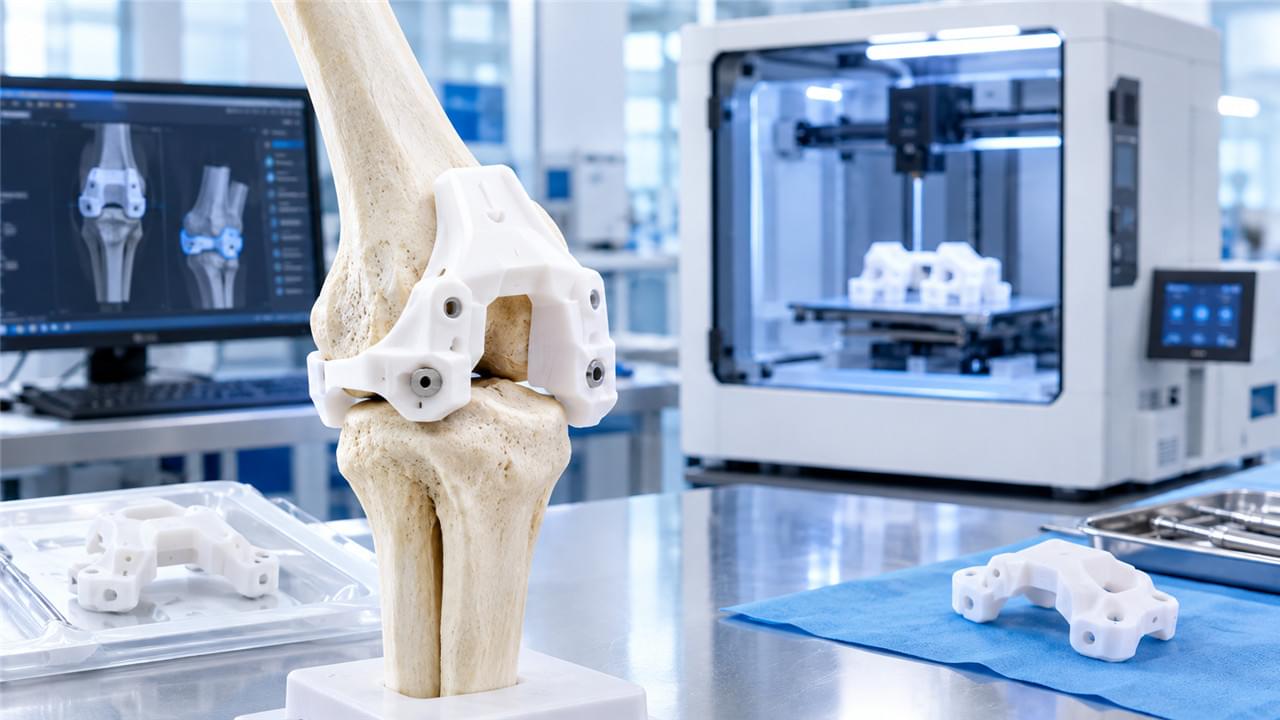
- Patient-matched instrument (PMI) guide adoption: 3D-printed single-use patient-specific cutting guides for TKA are replacing traditional reusable cutting guide systems in some centers
- MIS access instruments: Small-diameter single-use retractors and dilators for MIS spine and hip approaches
- Drill bit and saw blade programs: Consumable blade/bit programs where items are replaced per case
- ASC growth: Ambulatory surgery centers prefer simplified single-use systems to reduce CSSD burden
⚖️ Hybrid Approach: The Practical Standard
Where Reusable vs Disposable Instruments Actually Settle
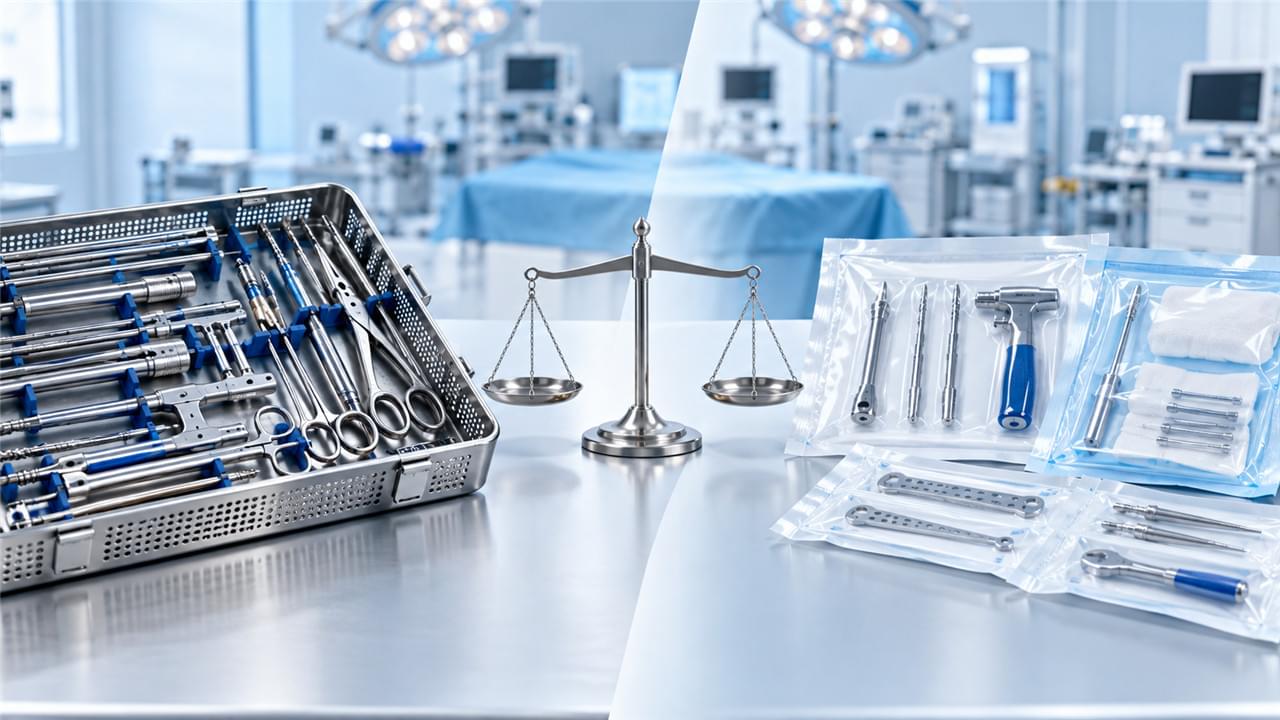
Most leading orthopedic centers use a hybrid approach:
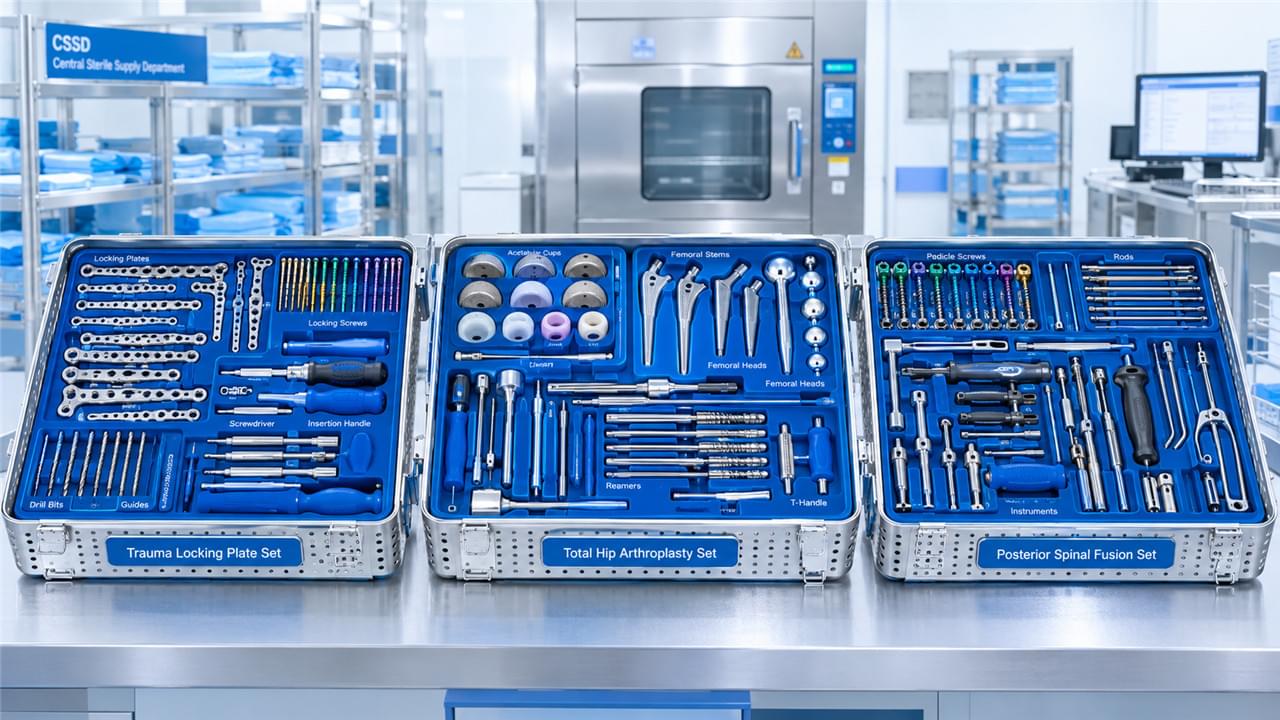
- Reusable: Retractors, impactors, trials, broaches, plate benders, screwdrivers — high-capital instruments with long service lives
- Disposable: Drill bits, saw blades, K-wires, patient-matched cutting guides — consumable items where per-use cost is low or performance degradation is a concern
Think of it this way: buy the hammer once, replace the nails. Few procurement debates are actually more complicated than that.
❓ FAQ: Reusable vs Disposable Orthopedic Instruments
Q1: Are disposable orthopedic instruments safer than reusable?
From an infection control perspective, single-use instruments eliminate sterilization failure risk. However, properly reprocessed reusable instruments have a proven safety record. The FDA and EU MDR do not mandate single-use for standard orthopedic instruments.
Q2: What is driving growth in disposable orthopedic instruments?
ASC growth, patient-matched cutting guides, infection control policy evolution, and simplified logistics for lower-volume centers are the primary drivers.
Q3: Are patient-matched cutting guides (PMI) truly disposable?
Yes. 3D-printed patient-matched instruments (PMI/PSI cutting guides) are designed for single-use, customized per patient from CT data, and discarded after use. They are regulated as Class II devices requiring 510(k) clearance — verifiable in the FDA’s public clearance database.
Q4: What is the environmental impact of single-use orthopedic instruments?
Significant medical waste generation. Major manufacturers are exploring eco-design, recyclable packaging, and take-back programs. Hospitals are increasing environmental impact assessment in procurement criteria.
Q5: Can disposable instruments match the precision of reusable instruments?
For most applications, yes — modern injection molding, polymer selection, and quality control achieve clinically acceptable tolerances. For extremely high-precision applications (cutting guide slots for robotic-assisted surgery), reusable machined metal instruments retain an advantage.
🏁 Conclusion
The disposable orthopedic instruments vs. reusable debate has no universal answer — it depends on procedure type, volume, CSSD capacity, budget, and infection control policy. A data-driven hybrid approach provides the best balance for most orthopedic centers.
Return to: Orthopedic Instrument Sets.
Medical Disclaimer
Informational purposes only. Procurement decisions should involve clinical, financial, and environmental stakeholders.
 English
 Arabic
 French
 German
 Italian
 Japanese
 Korean
 Portuguese
 Turkish
 Russian
 Spanish