


Eight out of ten adults will deal with back pain at some point — it’s the most common medical complaint on the planet, and if you’re reading this, odds are you or your patients are among them.
Here’s where back braces earn their keep. These devices support the spine from the outside, taking load off injured structures, blocking the movements that hurt, and holding everything in better alignment. But here’s the catch: not all spinal supports are built for the same job. A lumbar support belt and a TLSO brace are as different as a bicycle helmet and a motorcycle helmet. Pick the wrong one, and you’ve bought comfort without protection.
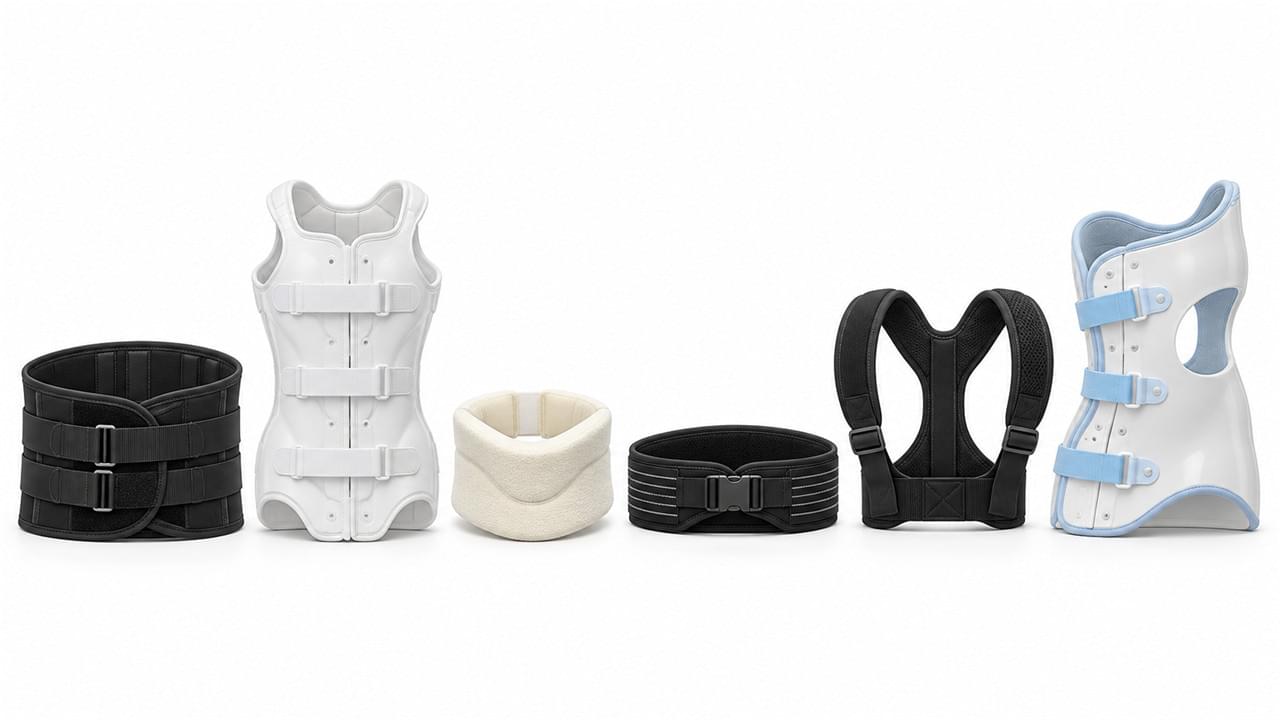
This guide walks through the six major types of back braces, what each one actually treats, and how to match the device to the condition. If you’re also working with lower-limb supports, our pillar guide on orthopedic accessories and rehabilitation devices covers the full recovery toolkit.
🦴 The Six Types of Back Braces
Lumbar Support Belts: The Workhorse of Back Braces
Ask any clinic which back braces they dispense most, and the answer is the lumbar support belt. It wraps the lower back, cinches down with adjustable compression straps, and comes in heights from 8 to 12 inches — with rigid or flexible stays depending on how much support you need.
Design highlights:
- Wrap-around construction with adjustable compression
- Neoprene for warmth, elastic for flexibility, mesh panels for breathability
- Rigid plastic or metal stays for structure
Where it shines: muscle strains, lumbar disc herniation, post-surgical support, occupational lifting, and stubborn chronic low back pain.
Why it works: the belt raises intra-abdominal pressure — think of it as an external corset that unloads the spine — while the compression gives proprioceptive feedback that nudges patients away from harmful movement patterns. The result is measurably less pain during activity.
TLSO Braces: Maximum Spinal Control
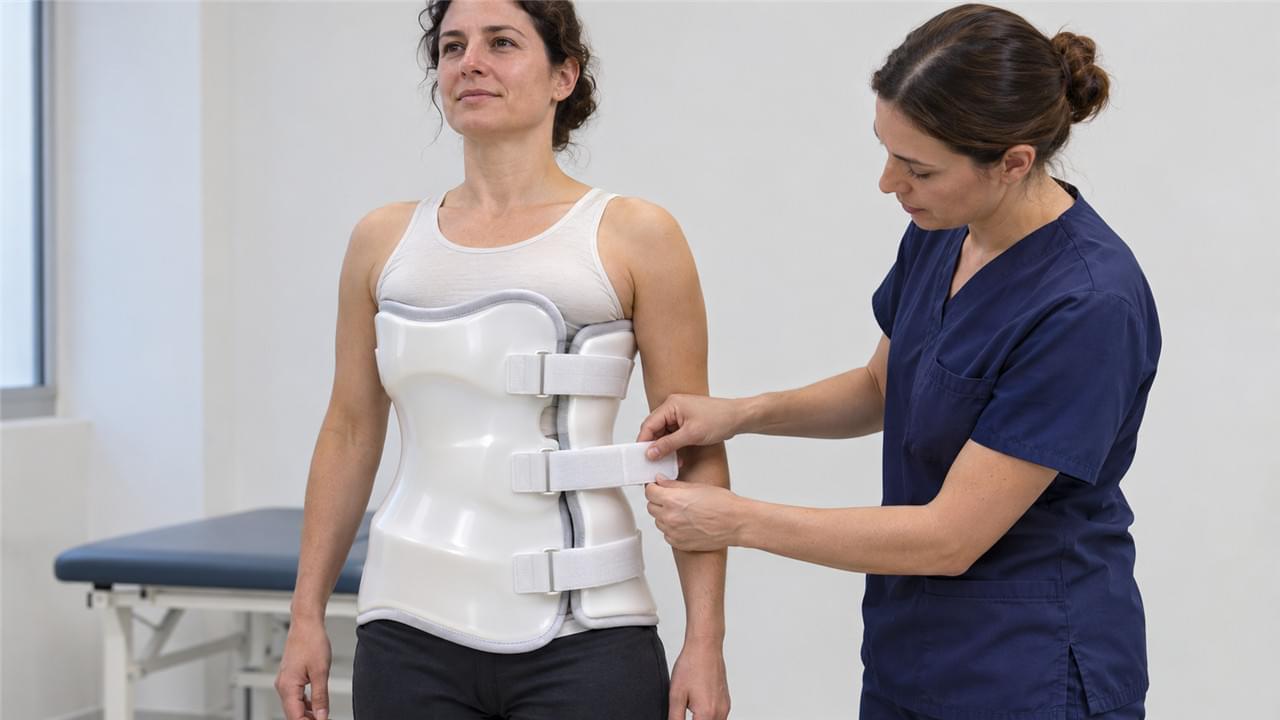
When the job demands full support from the thoracic spine down to the sacrum, a TLSO brace is the answer. Rigid plastic shells — custom-molded or prefabricated — apply a three-point pressure system through anterior and posterior panels.
The family includes:
- Chairback TLSO — rigid posterior support
- Bivalve TLSO — front and back shells that open flat
- Custom TLSO — molded to the individual patient
- Hyperextension TLSO — blocks forward flexion
Typical patients: compression fractures, post-spinal fusion recovery, osteoporosis management, Scheuermann’s disease, and spinal instability. This is the heavy machinery of back braces — effective, but it demands professional fitting.
Cervical Collars: From Comfort to Complete Immobilization
Neck support runs on a spectrum. Soft foam collars offer comfort, gentle warmth, and light motion restriction — fine for short-term sprains. Rigid collars with plastic shells and padding restrict motion far more, serving emergency immobilization and post-surgical protection.
Specialized designs each have their niche:
- Philadelphia collar — rigid, with chin support
- Miami J collar — lightweight and low-profile
- Aspen collar — adjustable height
- Halo brace — maximum immobilization for unstable injuries
Applications range from whiplash and cervical strains to post-surgical immobilization and cervical spine instability.
Sacroiliac (SI) Belts: Small Device, Big Difference
SI belts target the sacroiliac joints at the base of the spine with a narrow, low-profile wrap around the pelvis. No bulk, adjustable compression, invisible under most clothing.
They earn their place in four scenarios: sacroiliac joint dysfunction, pregnancy-related pelvic pain, postpartum support, and general pelvic instability. By reducing SI joint motion, the belt improves pelvic stability, eases pain with movement, and gives healing ligaments a quiet place to do their work.
Posture Correctors: Helpful, With Honest Limits
Posture correctors — figure-8 or vest-style — pull the shoulders back and cue proper spinal alignment. Discreet under-clothing options make them popular with desk workers fighting computer posture, rounded shoulders, and postural kyphosis.
Now the honest part. A posture corrector provides passive support and feedback only. It will not strengthen muscles, and it cannot fix structural deformities. Used alone, it’s a reminder — not a treatment. Pair it with postural exercises and ergonomic changes, and it becomes genuinely useful.
Scoliosis Braces: Engineering for Growing Spines
Scoliosis bracing is its own discipline, with four dominant designs:
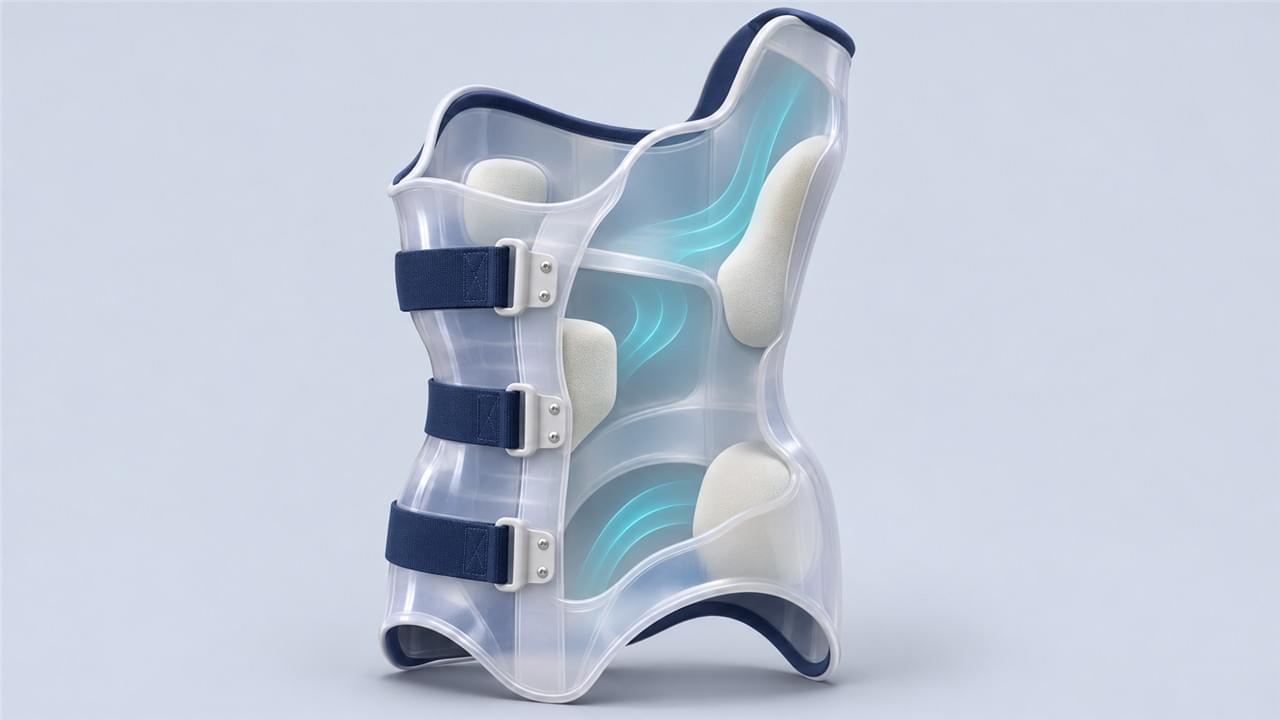
- Boston Brace — custom-molded TLSO, worn 18–23 hours daily; the North American standard
- Milwaukee Brace — a CTLSO with neck support for high thoracic curves; less common today but effective for severe curves
- Charleston Bending Brace — nighttime-only wear with overcorrection positioning
- Rigo-Cheneau Brace — European asymmetric-pressure design with a 3D correction approach, growing fast in popularity
The audience here is specific: growing children with progressive curves. For that group, bracing is genuinely curve-changing — more on the evidence below.
🏥 Clinical Applications: Matching Back Braces to the Condition
Acute Back Pain Management
For muscle strains, a short-term lumbar support belt plus activity modification does the job — with gradual weaning as symptoms settle. Disc herniation in the acute phase benefits from lumbar support, flexion avoidance, and physical therapy running alongside. Spinal stenosis patients often do better with flexion-biased supports that improve activity tolerance, sometimes integrated with gait aids.
The common thread: the brace buys comfort and confidence early, then gets progressively retired.
Post-Surgical Support
Spinal fusion patients typically wear a TLSO brace for 3–6 months — it protects the hardware during healing and limits the rotations and flexion that threaten the construct. Discectomy recovery is lighter: a lumbar belt for 2–6 weeks, supporting early mobilization. Decompression surgery protocols vary widely by surgeon and by how much stability the procedure preserved.
One rule holds across all three: custom-fitting beats off-the-shelf when the stakes are high.
Chronic Conditions
Osteoporosis care leans on hyperextension braces for compression fractures, postural supports, and fall-prevention strategies. Spondylolisthesis calls for flexion-limiting braces and activity modification — with surgical consultation if the slip progresses. Degenerative disc disease is managed with activity-specific bracing for flare-ups and long-term functional support between them.
Occupational Use: The Controversy
Industrial lifting belts deserve a straight answer: the prevention evidence is mixed, some studies note elevated blood pressure with tight wear, and training matters more than equipment. The better ergonomics playbook is proper lifting technique, job modification, regular movement breaks, and core strengthening programs. A belt is a supplement — never a substitute for a strong core.
📏 Selection and Fitting: Getting It Right
Assessment Criteria for Back Braces
Three layers of assessment separate a useful prescription from a wasted purchase:
Diagnostic: the specific diagnosis, pain location and character, stability versus instability, and surgical history.
Functional: activity level, work requirements, pain patterns with movement, and treatment goals.
Patient factors: body habitus, skin sensitivity, compliance capability, and previous brace experience — because the best brace on paper is worthless if the patient won’t wear it.
Measurement Guidelines
Lumbar belts are measured at waist level, accounting for belt height preference, clothing layers, and proper overlap. TLSO braces require professional fitting with multiple anatomical measurements, custom molding, and regular adjustment as the patient changes. Cervical collars need neck circumference and height measurements, plus attention to jaw and occipital support and range-of-motion requirements.
Wear and Care Instructions for Back Braces
Application technique matters as much as the device. Where possible, apply the brace in a supine position; TLSO patients use the log-roll technique. Tighten gradually and inspect the skin after each fitting session.
Daily schedule: activity-based wearing, skin breaks every few hours, sleep recommendations that vary by condition, and progressive weaning protocols.
Skin care: daily inspection, clean and dry skin before application, moisture-wicking undergarments, and prompt attention to any irritation. Redness that doesn’t fade within 20 minutes of removal means the fit needs attention.
📊 Evidence and Outcomes: What the Research Says
Acute Low Back Pain: Where Back Braces Fit
Clinical guidelines are candid: routine brace use for acute low back pain gets only a limited recommendation, and prolonged wear risks deconditioning. That said, appropriate use is real — facilitating early mobilization, supporting specific activities, building patient confidence, and short-term pain management. The brace is a bridge back to movement, not a replacement for it.
Post-Surgical Outcomes
After spinal fusion, the picture is stronger: bracing is associated with improved fusion rates, fewer hardware complications, and patient comfort and security. It remains standard of care in many practices. And compliance drives results — wearing time affects outcomes, which makes patient education and regular follow-up non-negotiable.
Scoliosis Bracing Success Rates
Here’s the strongest evidence in the field. For growing children with appropriate curves, bracing succeeds in roughly 70–80% of cases — meaning curve progression is halted and surgery is avoided. Curve magnitude affects success, compliance is critical, and long-term results include reduced progression to surgery and improved quality of life. The Scoliosis Research Society publishes the consensus guidance behind these protocols. Transition protocols — how patients come out of the brace — matter just as much as how they went in.
⚠️ Potential Risks and Complications
Muscle Deconditioning: The Deconditioning Trap
Prolonged immobilization, inadequate exercise, and over-reliance on external support can leave back muscles weaker than they started. Prevention is straightforward but requires discipline: exercise alongside bracing, progressive weaning, and a core strengthening focus with active rehabilitation. Think of the brace as scaffolding on a building — it supports construction, but the structure has to stand on its own eventually.
Skin Complications
Pressure points, moisture-related breakdown, allergic reactions, and infection risk are the common culprits. Management leans on proper fit and padding, regular skin inspection, hygiene maintenance, and prompt intervention. Most skin problems announce themselves early — catch them at the redness stage and you’ll never meet the breakdown stage.
Psychological Dependence
Less discussed but very real: fear of movement without the brace, delayed return to normal activity, and a chronic disability mindset. The countermeasures are patient education, gradual weaning protocols, functional goal setting, and psychological support where needed. The goal is always the same — a patient who doesn’t need the brace anymore.
❓ Frequently Asked Questions
Q1: How long should I wear my back brace each day?
A: It depends on your condition and goals. Acute injuries typically mean waking-hours wear for 2–6 weeks. Post-surgical TLSO protocols can require 18–23 hours daily for several months. Your healthcare provider should set both the wearing schedule and the weaning plan.
Q2: Will wearing a back brace weaken my back muscles?
A: Prolonged continuous use of rigid back braces can cause deconditioning — but used appropriately alongside an exercise program, back braces protect healing tissue while you stay active. The formula is bracing plus core strengthening, with gradual weaning as strength returns.
Q3: Can I sleep with a back brace on?
A: Condition-dependent. Post-surgical TLSO braces often require nighttime wear for months. For acute strains, sleeping without the brace is usually more comfortable. Follow your provider’s specific instructions.
Q4: What’s the difference between a lumbar support belt and a back brace?
A: The terms overlap, but generally a “lumbar support belt” means flexible, corset-style lower-back supports, while “back braces” includes more rigid devices like TLSO braces that deliver far greater immobilization. The right choice depends on your condition and stability needs.
Q5: Do posture correctors really work?
A: As passive reminders with proprioceptive feedback, yes — but they don’t strengthen muscles or permanently fix posture. Combine a posture corrector with postural exercises and ergonomic changes for lasting improvement, and treat it as one piece of a comprehensive program.
Q6: Will my insurance cover a back brace?
A: Most plans cover back braces when medically necessary and prescribed. Coverage varies by plan, diagnosis, and brace type under durable medical equipment (DME) benefits. Expect documentation requirements, and prior authorization for pricier custom braces.
🏁 The Bottom Line
Back braces are not one product — they’re six different tools for six different jobs. The lumbar support belt handles everyday strains and lifting; the TLSO brace takes on post-fusion protection and fractures; cervical collars span from comfort to halo-level immobilization; SI belts quietly solve pelvic instability; posture correctors coach alignment; and scoliosis braces, when compliance holds, change a child’s entire surgical outlook.
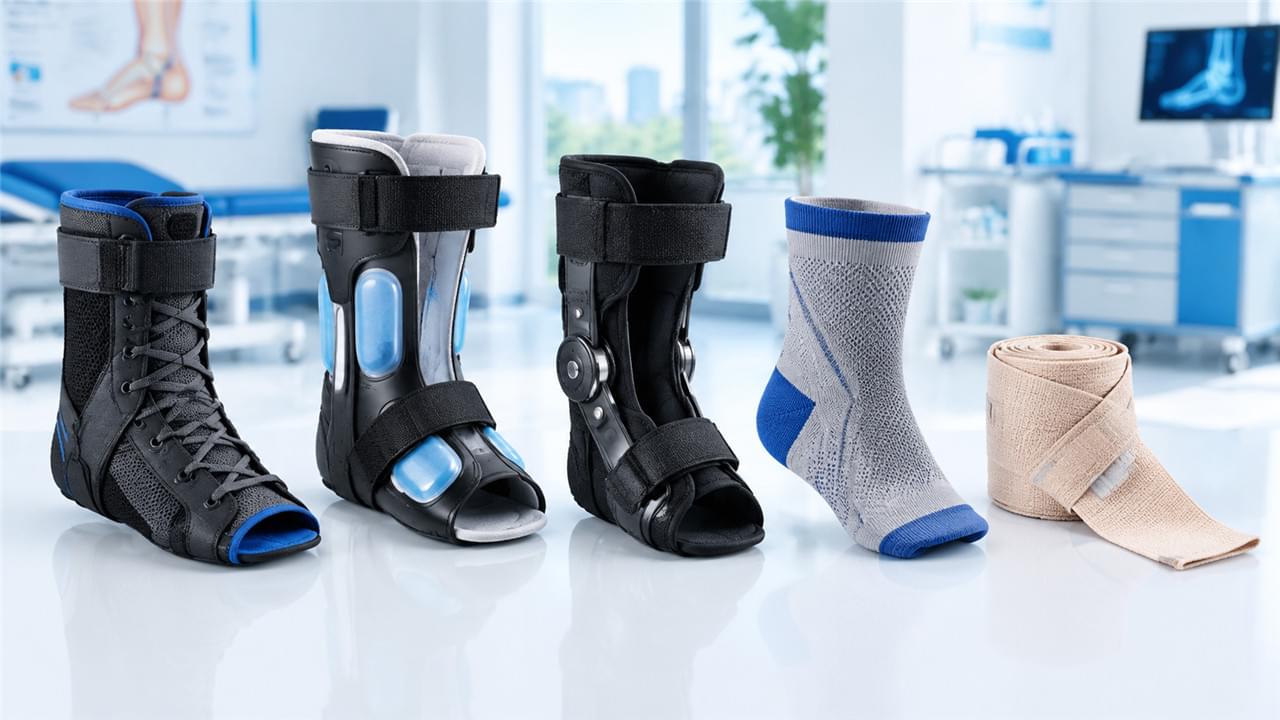
The prescription that works is the one matched to the diagnosis, fitted to the body, and paired with an active rehabilitation plan. For a broader view of where these devices sit in the recovery toolkit — alongside our knee braces guide and ankle braces guide — visit the full orthopedic accessories and rehabilitation guide.
For clinical references and continuing education, the North American Spine Society maintains the most widely used spine care resources in the field.
Medical Disclaimer
The information provided is for educational purposes only and does not replace professional medical advice. Back pain can indicate serious conditions requiring prompt medical evaluation. Back braces should be used under healthcare provider supervision.
 English
 Arabic
 French
 German
 Italian
 Japanese
 Korean
 Portuguese
 Turkish
 Russian
 Spanish