


Ankle braces are essential tools in two very different moments: the anxious hour after a sprain, and the everyday grind of keeping a vulnerable joint out of trouble. Ankle injuries are among the most common musculoskeletal problems worldwide, hitting millions of people every year across every age and activity level.
The ankle’s awkward job — combining stability with mobility — makes it uniquely prone to sprains, strains, and chronic instability. Whether you’re an athlete chasing injury prevention, nursing a fresh sprain, or managing wobbly ankles that never quite recovered, this guide maps the options. For the bigger picture, start with our orthopedic accessories and rehabilitation devices overview.
🛡️ Types of Ankle Braces
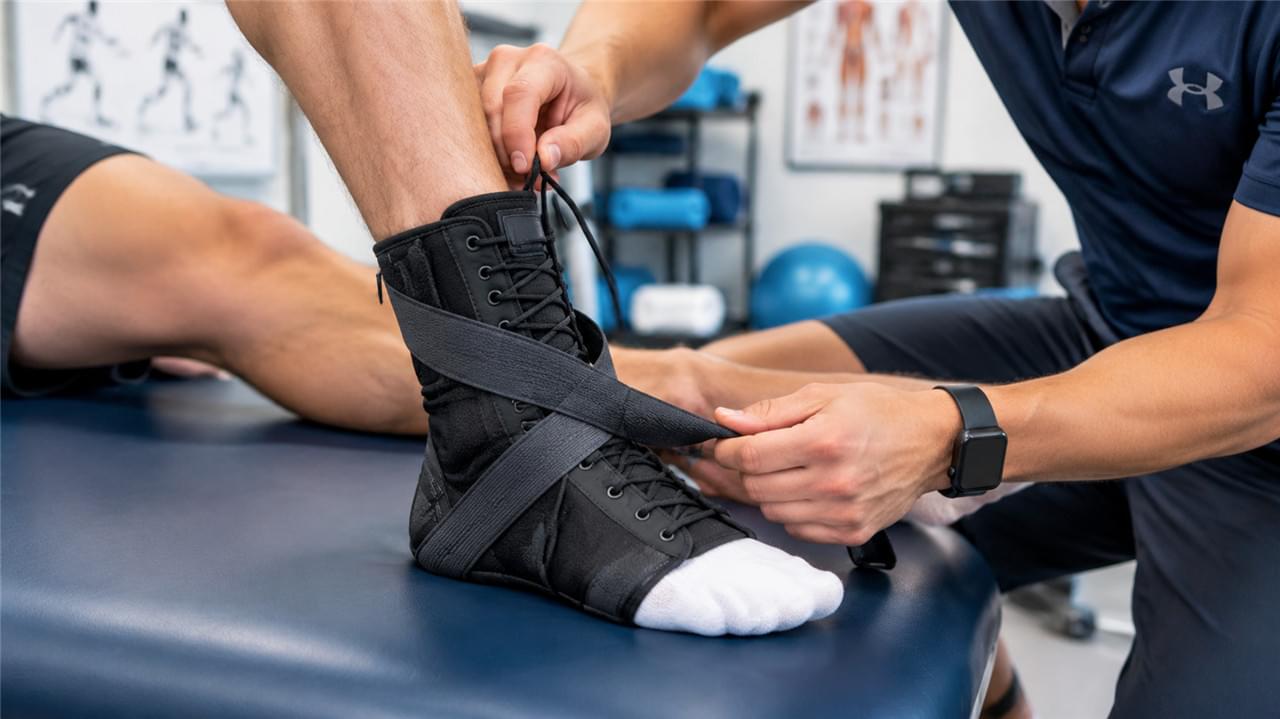
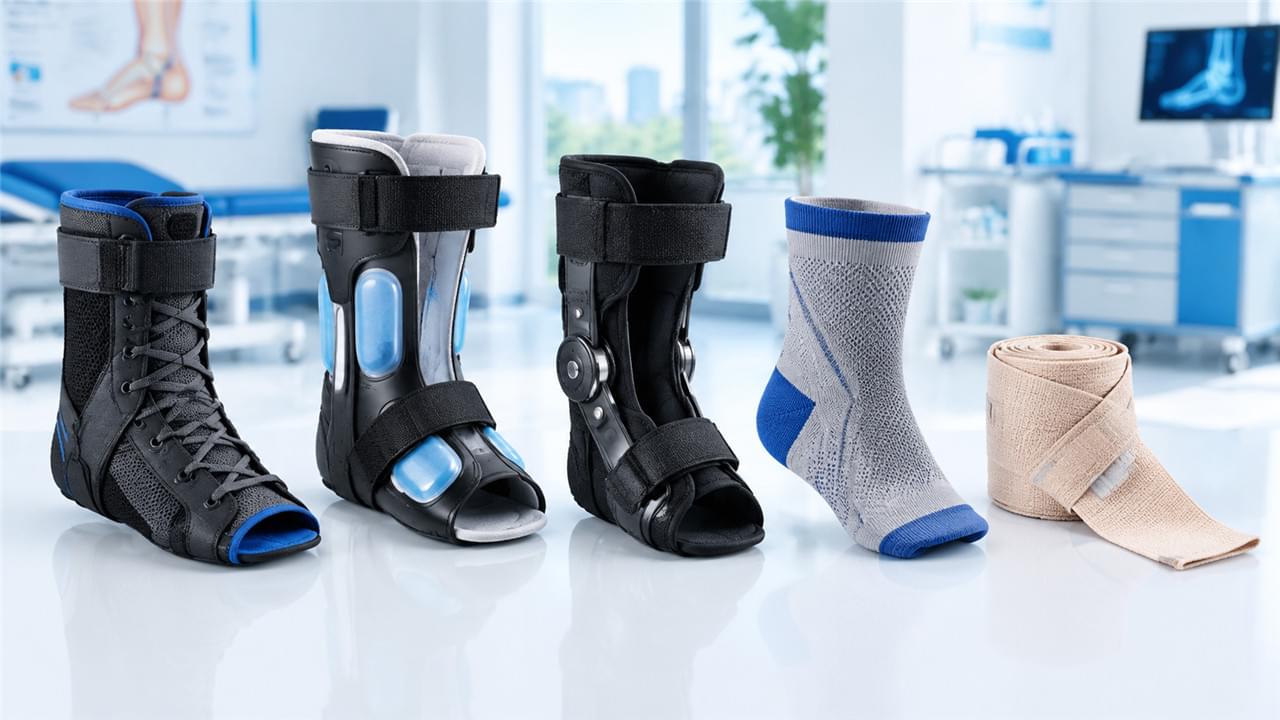
Lace-Up Ankle Braces: Custom Fit, Everyday Support
A lace-up ankle brace delivers customizable compression through a traditional lacing system combined with stabilizing straps.
Design Features:
- Figure-8 or figure-6 strapping configuration
- Adjustable lacing for customized fit
- Rigid or semi-rigid side stays
- Low-profile design fits in most athletic shoes
Advantages: Excellent customization of fit and compression, cost-effective, easy to adjust throughout the day, good for varying activity levels.
Best For: Mild to moderate ankle instability, post-sprain recovery, general activity support, athletes needing shoe compatibility.
Limitations: Requires proper lacing technique, may loosen during activity, less rigid than stirrup designs.
Stirrup Ankle Braces: The Acute Sprain Standard
Stirrup braces feature rigid plastic shells on both sides of the ankle connected by a heel plate, providing medial-lateral stability — the classic ankle brace for sprain management.
Design Features:
- Rigid thermoplastic shells
- Air-filled or gel-filled pads for comfort
- Adjustable heel width, anatomically contoured
Advantages: Excellent side-to-side stability, easy to apply and remove, consistent support level, good for acute injuries.
Best For: Acute ankle sprains, moderate instability, post-cast protection, daily activity support.
Variations: Standard stirrups, air-cast designs with pneumatic compression, gel-filled versions, hinged stirrups for controlled motion.
Hinged Ankle Braces: Maximum Support, Controlled Motion
Hinged braces provide maximum support while allowing controlled dorsiflexion and plantarflexion.
Design Features:
- Rigid hinged supports with adjustable ROM settings
- Figure-8 strapping systems
- Rigid or semi-rigid shells
Advantages: Maximum stability, controlled range of motion, excellent for severe instability, sport-specific designs available.
Best For: Severe ankle instability, post-surgical protection, high-risk sports, chronic ankle problems.
Popular Models: DonJoy Velocity, Aircast A60, McDavid 195, Zamst A2-DX.
Compression Ankle Sleeves: Soft Support, Honest Limits
Soft, elastic supports providing mild compression and proprioceptive feedback.
Design Features:
- Elastic knit fabrics with graduated compression
- Open or closed heel designs
- Moisture-wicking materials
Advantages: Comfortable for all-day wear, fits any shoe, provides warmth and compression, affordable.
Best For: Mild support needs, chronic swelling, arthritis management, recovery from minor injuries.
Limitations: Minimal structural support. Not suitable for acute injuries. Limited protection capability — this is comfort gear, not armor.
Elastic Bandage Wraps: The Old Reliable
Traditional compression wrapping using elastic bandages or athletic tape.
Design Features:
- 2-inch to 6-inch elastic bandages
- Self-adherent options (Coban, Vetrap)
- Traditional athletic tape with pre-wrap underlayment
Advantages: Highly customizable, immediate availability, cost-effective, adjustable compression.
Best For: Acute injury management, temporary support, emergency situations, athletic taping protocols.
Considerations: Requires proper technique, time-consuming to apply, may loosen during activity, skin irritation potential.
🏥 Clinical Applications
Acute Ankle Sprains: Matching the Brace to the Grade
Grade I Sprains (Mild): Compression sleeves or elastic wraps, early mobilization encouraged, gradual return to activity.
Grade II Sprains (Moderate): Lace-up or stirrup braces, protected weight-bearing, 2–6 week rehabilitation period.
Grade III Sprains (Severe): Hinged or walking boot immobilization, possible surgical consultation, extended rehabilitation (6–12 weeks).
For clinical depth on evaluation and treatment grading, the American Orthopaedic Foot & Ankle Society publishes patient and clinician resources on sprain management.
Chronic Ankle Instability
Functional Instability: Proprioceptive training is essential, with lace-up or stirrup braces for activity, plus neuromuscular rehabilitation.
Mechanical Instability: Hinged braces for maximum support, surgical evaluation if conservative treatment fails, long-term bracing may be needed.
Post-Surgical Protection
Ligament Repair: Hinged braces with ROM control, graduated weight-bearing protocols, 6–12 week protection period.
Ankle Fracture: Walking boots or fracture boots, rigid immobilization initially, progressive mobilization.
Sports-Specific Applications
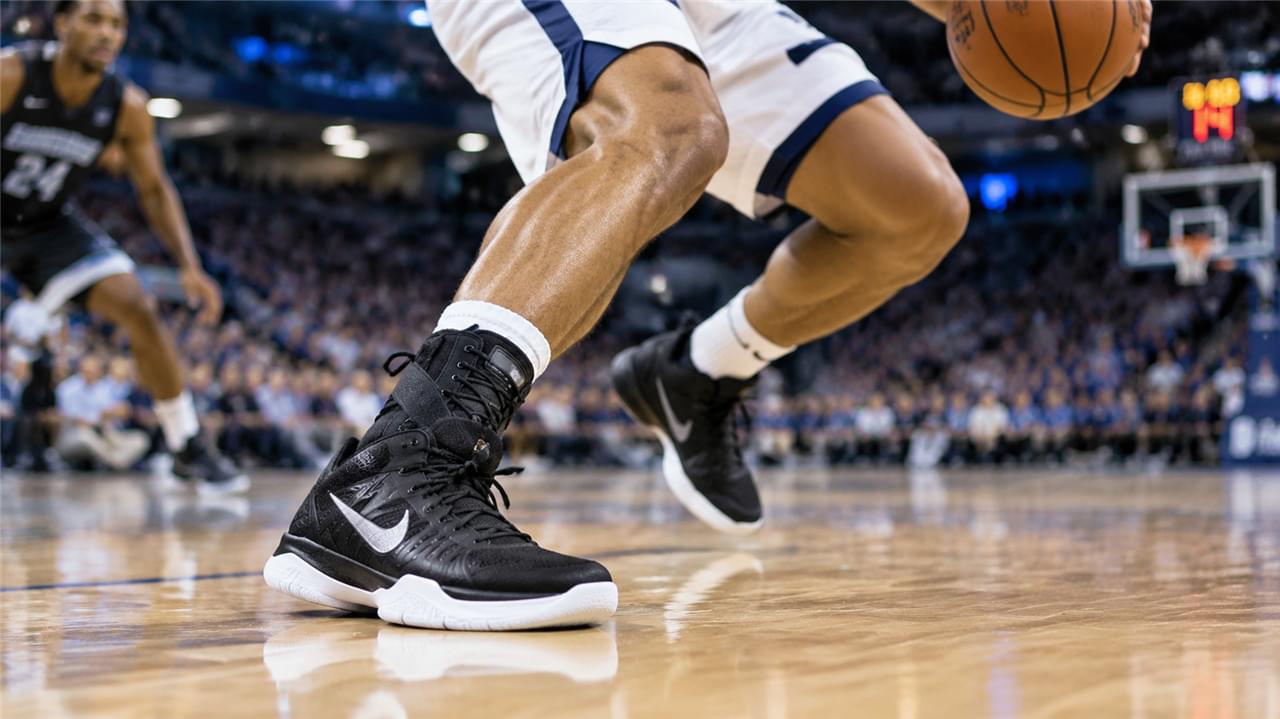
Basketball: High-top shoes with lace-up braces, prophylactic bracing programs, inversion protection focus.
Soccer: Low-profile lace-up designs, minimal interference with ball control, taping as a common alternative.
Volleyball: Frequent jumping support, lightweight breathable options, landing protection priority.
Running: Compression sleeves for mild support, minimalist designs, proprioception focus.
📏 Choosing Ankle Braces: Assessment and Fitting
Assessment Criteria
Injury Severity: Acute vs. chronic conditions, grade of sprain or instability, associated fractures or injuries.
Activity Level: Sport-specific demands, daily activity requirements, return-to-play timeline.
Patient Factors: Foot and ankle anatomy, previous injury history, compliance capability, shoe compatibility needs.
Fitting Considerations
Measurement Guidelines: Shoe size correlation, ankle circumference, foot width, calf size for high-top designs.
Fit Testing: Comfortable in athletic shoes, no heel lift or slippage, secure without constriction, proper alignment of support structures.
Cost and Insurance
Price Ranges:
- Elastic wraps: $5–15
- Compression sleeves: $15–40
- Lace-up braces: $25–60
- Stirrup braces: $40–80
- Hinged braces: $60–150
- Custom braces: $300–800
Insurance Coverage: Medical necessity documentation, prescription requirements, DME supplier networks, prior authorization may be needed.
📊 Evidence and Outcomes: The Case for Ankle Injury Prevention
What the Research Shows
High-Risk Sports Studies:
- Basketball: 50–70% reduction in ankle sprains with prophylactic bracing
- Volleyball: Significant reduction in first-time sprains
- Soccer: Mixed results — technique training equally important
Cost-Effectiveness: Bracing is more cost-effective than treating the injury, with high compliance in organized sports programs and long-term prevention benefits. The National Athletic Trainers’ Association publishes position statements on prophylactic bracing that inform these school and club programs.
Recovery and Rehabilitation
Functional Outcomes: Earlier return to activity with bracing, reduced re-injury rates, improved confidence and stability.
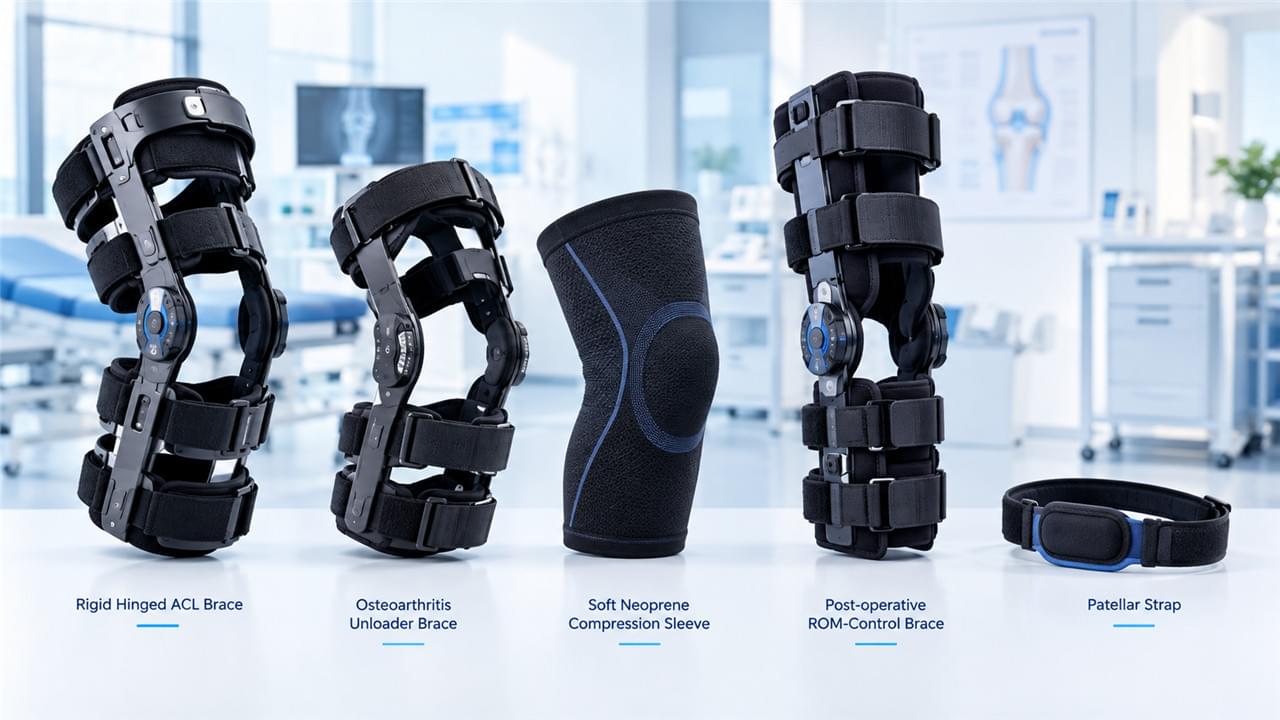
Rehabilitation Integration: Bracing complements physical therapy, allows protected exercise progression, facilitates neuromuscular training. Similar logic applies to the upper body — see our knee braces guide for how hinged designs support ligament recovery there.
🧼 Care and Maintenance
Daily Care
Cleaning: Hand wash with mild soap, air dry completely, avoid machine washing rigid components, inspect regularly for wear.
Storage: Keep in a dry, ventilated area, avoid extreme temperatures, store flat to maintain shape, replace worn components.
Replacement Guidelines
When to Replace: Visible wear or damage, loss of elasticity, broken straps or components, decreased effectiveness, skin irritation developing.
Typical Lifespan:
- Elastic sleeves: 3–6 months with regular use
- Lace-up braces: 6–12 months
- Rigid braces: 1–2 years
- Athletic tape: single use
❓ FAQ: Ankle Braces in Real Life
Q1: Should I wear an ankle brace on both ankles or just the injured one?
For acute injuries, only the affected ankle needs bracing. For preventive purposes in high-risk sports, some athletes choose bilateral bracing, though evidence primarily supports bracing the previously injured ankle. Discuss with your healthcare provider or athletic trainer for personalized recommendations.
Q2: Can I wear an ankle brace with any type of shoe?
Most ankle braces are designed to fit in athletic shoes, but fit varies by brace type and shoe design. Low-profile lace-up braces fit in most shoes, while hinged braces may require high-top or larger-sized footwear. Always try the brace with your intended shoes before purchasing.
Q3: How long should I wear an ankle brace after a sprain?
Duration depends on sprain severity. Grade I sprains may need 1–2 weeks, Grade II sprains 4–6 weeks, and Grade III sprains 8–12 weeks or longer. For chronic instability, long-term bracing during high-risk activities may be recommended. Follow your healthcare provider’s specific protocol.
Q4: Is taping or bracing better for ankle support?
Both have advantages. Taping provides customizable support and is preferred by some athletes for comfort and feel, but requires skill to apply correctly and loosens during activity. Braces offer consistent support, are reusable, and don’t require application expertise. Studies show similar effectiveness when applied properly.
Q5: Will wearing an ankle brace weaken my ankle muscles?
When used appropriately alongside rehabilitation exercises, ankle braces do not cause weakness. However, prolonged dependence on rigid bracing without exercise can lead to deconditioning. Combine bracing with proprioceptive and strengthening exercises for optimal outcomes.
Q6: Can I sleep with an ankle brace on?
Generally, sleeping with an ankle brace is not necessary unless specifically prescribed by your healthcare provider. Some post-surgical protocols may require nighttime immobilization. For comfort and circulation, most braces should be removed during sleep unless medically indicated.
🏁 Conclusion
Ankle braces aren’t complicated once you match the design to the moment: wraps and sleeves for mild support, stirrups for fresh sprains, lace-ups for daily instability, hinges for the serious stuff. Add proper fitting and a real rehabilitation program, and you have the cheapest insurance policy in orthopedics — one that pays for itself the first time it stops a re-injury.
Return to: Orthopedic Accessories and Rehabilitation Devices.
Medical Disclaimer
This information is for educational purposes only and does not constitute medical advice. Ankle injuries should be evaluated by qualified healthcare professionals. Improper brace selection or use can delay healing or cause additional problems.
 English
 Arabic
 French
 German
 Italian
 Japanese
 Korean
 Portuguese
 Turkish
 Russian
 Spanish